
Table of Contents
How to Find Reliable Knitted Fabric Suppliers for Your Business
Finding the right knitted fabric suppliers is a very important step for any clothing brand, garment manufacturer, or fabric business. The quality of your fabric, delivery time, and consistency mostly depend on the supplier you work with. Many businesses face problems in the beginning because they choose suppliers in a hurry without checking them properly. This often leads to late deliveries, fabric issues, and unnecessary losses.
This guide will help you understand how to find reliable suppliers and avoid common mistakes. It is specially useful for new and growing businesses that want to build a stable and trustworthy supply system for the long term.
Why Choosing the Right Supplier Matters
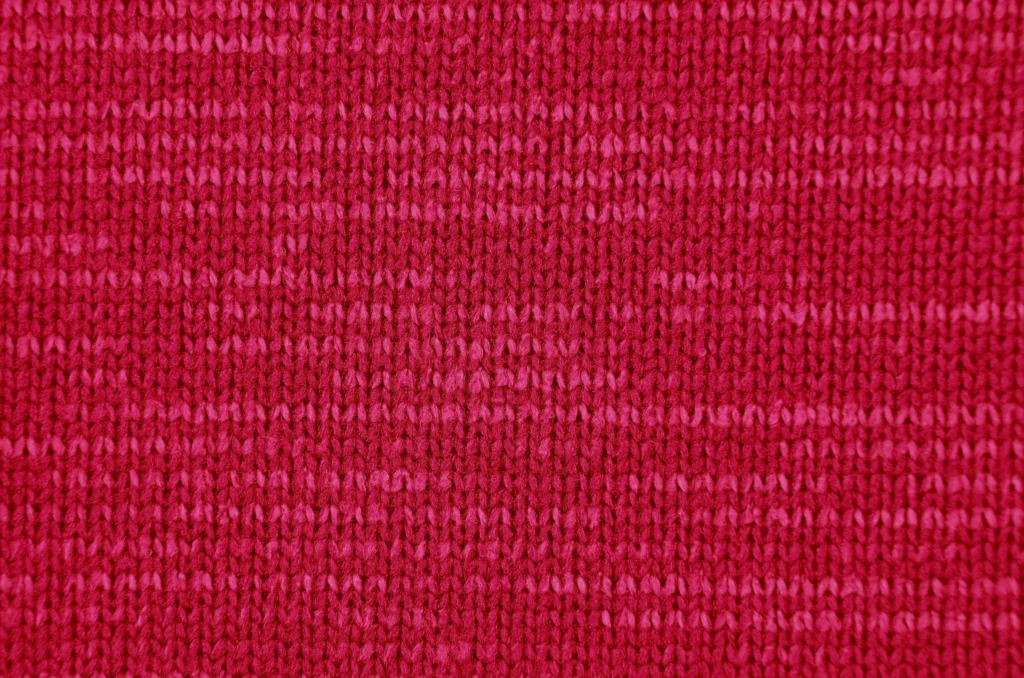
Choosing reliable knitted fabric suppliers is not just about buying fabric. The supplier you choose has a big impact on your product quality, customer satisfaction, and even your business reputation. When fabric comes with proper GSM (grams per square meter) and consistent finishing, production runs smoothly and planning becomes much easier.
But if the supplier is not reliable, small problems can turn into big headaches. Shade differences, shrinkage issues, or late deliveries can disturb your entire production schedule. Businesses that work on fixed timelines especially need suppliers who understand how important on-time delivery is.
Working with experienced and professional suppliers also makes the whole sourcing process easier. They usually follow proper systems and communicate clearly, which helps businesses stay organized and avoid unnecessary confusion.
Impact on Product Quality
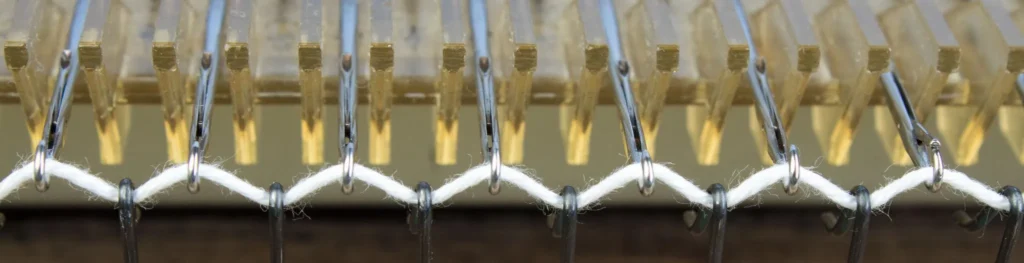
Fabric is the base of any garment. No matter how good the stitching is, if the fabric quality is not right, the final product will never look or feel good. Reliable knitted fabric suppliers make sure the yarn quality, knitting, and finishing stay consistent so that every lot feels similar to the previous one.
When fabric quality stays consistent, brands can maintain the same product standard and face fewer complaints or returns. Customers also start trusting the brand because they know they will get the same quality every time they buy.
Importance of Consistent Supply
Consistency is very important for businesses that run regular production. When suppliers can provide fabric steadily, manufacturers don’t have to worry about production stopping or searching for fabric at the last moment.
Good suppliers usually plan their production in advance, which makes things easier for businesses. This helps in better inventory planning and reduces the chances of running out of stock unexpectedly.
Understand Your Fabric Requirements First
Before contacting knitted fabric suppliers, businesses should first be clear about what kind of fabric they actually need. If the requirements are not clear, even a good supplier might send fabric that does not match your expectations.
When your requirements are properly defined, communication becomes much easier and chances of confusion are reduced. It also helps suppliers understand your needs better and suggest the most suitable fabric options for your products.
Types of Knitted Fabrics to Consider
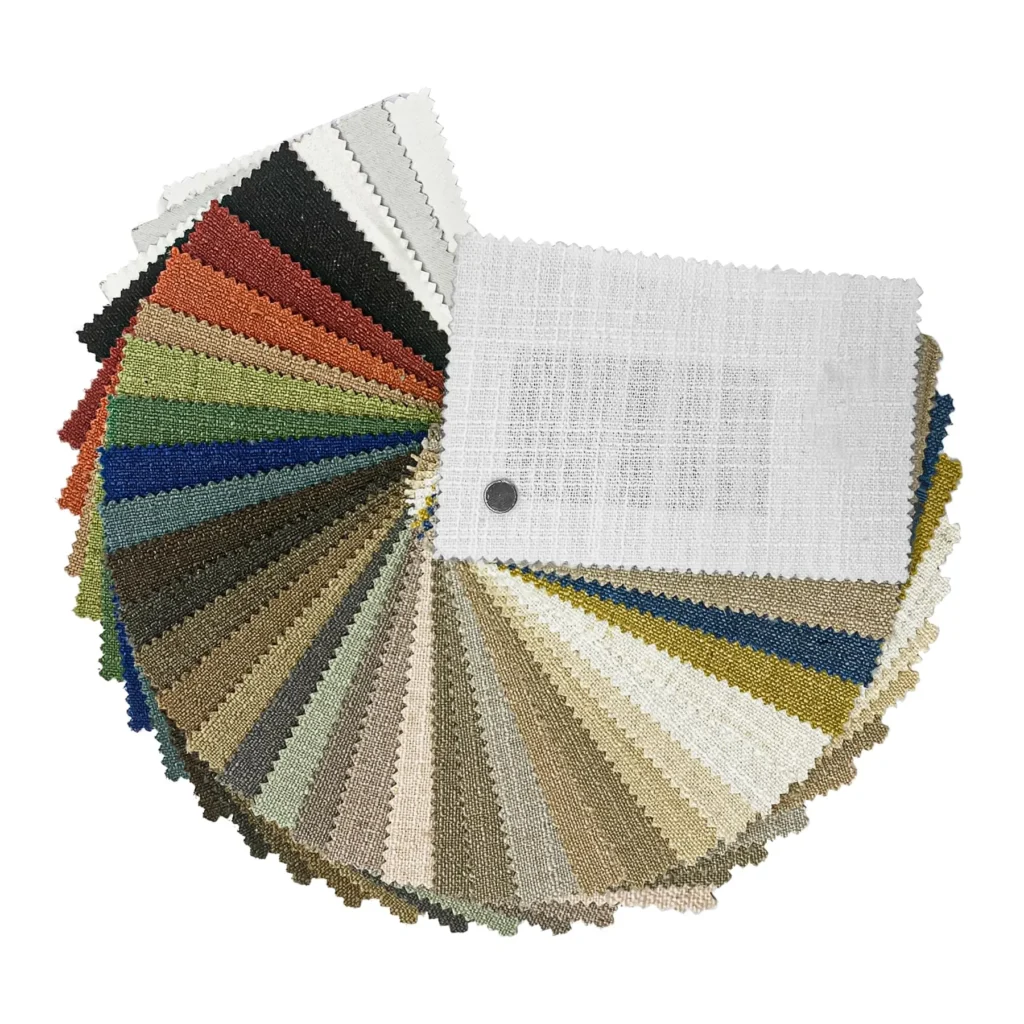
Different types of garments need different kinds of knitted fabrics. For example, T-shirts, activewear, and winter wear are all made using different fabric constructions and yarn combinations depending on how the garment is supposed to feel and perform.
Some common knitted fabrics include single jersey, rib, interlock, fleece, and Lycra blends. Each fabric has its own level of stretch, thickness, and texture, which plays an important role in how the final garment looks and feels.
Key Fabric Specifications
Professional knitted fabric suppliers usually work according to proper fabric specifications. These technical details decide how the fabric will behave during stitching and how it will perform after the garment is used.
Some important specifications include GSM, yarn count, fabric composition, and knitting gauge. Even small changes in these details can affect the fabric’s feel, stretch, and durability, which is why they should always be clearly defined.
Quantity and Budget Planning
Businesses should have a rough idea of how much fabric they need before talking to suppliers. Most manufacturers work with minimum order quantities, and knowing this in advance helps avoid confusion and unnecessary back-and-forth discussions.
Planning your budget is just as important. Instead of going for the lowest price, it is better to look at both quality and price together so you get fabric that actually works well for your products.
Where Businesses Can Find Suppliers
There are many ways to find reliable knitted fabric suppliers, and each method has its own benefits. Most businesses use a mix of online and offline methods to find the right supplier.
Online platforms help you compare different suppliers easily, while visiting factories or units in person gives you a clearer idea about their production capacity and working style. This combination usually helps in making better decisions.
Online B2B Platforms
Online sourcing platforms make it easy for businesses to find manufacturers from different regions. Usually, supplier profiles show product details, certifications, and contact information, which helps buyers get a basic idea about the company.
These platforms are good for starting your search and shortlisting a few suppliers. But before placing any order, it is always better to verify the details and check the supplier properly.
Textile Manufacturing Hubs
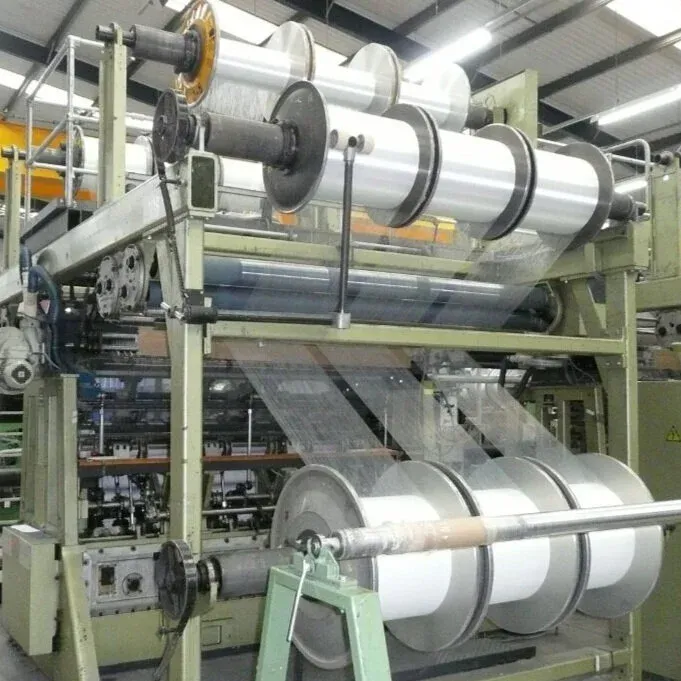
Textile clusters are still one of the best places to find experienced knitted fabric suppliers. Areas known for textile manufacturing usually have strong supply systems and skilled workers, which makes sourcing easier and more reliable.
Visiting these textile hubs gives buyers a chance to see the fabrics in person and explain their requirements properly. Meeting suppliers face-to-face also helps build better trust compared to only talking online.
Trade Shows and Industry Events
Trade exhibitions are a good place to meet many suppliers at the same time. Buyers can check fabric samples directly and talk to suppliers about their production capacity and working process face-to-face.
These industry events also help businesses learn about new developments in knitted fabrics and the latest manufacturing techniques, which can be useful while planning future products.
How to Evaluate Supplier Reliability
Not all knitted fabric suppliers provide the same level of service, so it is important to check suppliers properly before working with them. A careful evaluation helps businesses choose partners who can support them for the long term.
A supplier’s reliability depends on things like production capacity, communication, and quality control. When businesses follow a proper checking process, the chances of making costly mistakes become much lower.
Check Manufacturing Experience
Experience usually shows how stable a supplier is. Suppliers who have been working in the textile industry for many years generally understand production challenges and quality requirements much better.
Experienced manufacturers also have trained workers and proper systems in place, which helps them maintain consistent fabric quality and smoother production.
Request Fabric Samples
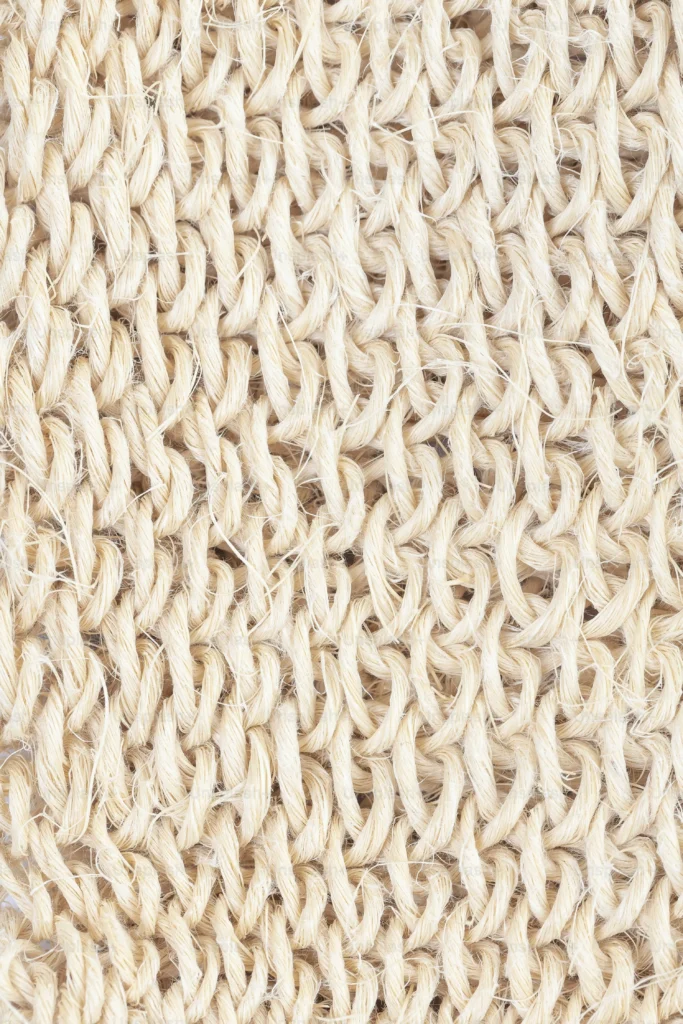
Checking samples is one of the best ways to judge knitted fabric suppliers before placing a bulk order. By testing samples, businesses can see how the fabric behaves, including shrinkage, color quality, and overall feel.
Placing a small trial order can also give a clear idea about how the supplier manages production and delivery, which helps in deciding whether they are suitable for long-term work.
Review Communication Quality
Good communication usually shows how professional a supplier is. Suppliers who reply on time and explain things clearly are generally much easier to work with during production.
When communication is clear, there are fewer chances of confusion about fabric specifications or delivery timelines, which helps the whole process run more smoothly.
Signs of a Professional Manufacturer
Professional knitted fabric suppliers usually follow proper systems that make the sourcing process smoother and more predictable. This shows that they are serious about maintaining quality and keeping customers satisfied.
Well-organized suppliers keep proper production records and follow consistent finishing methods, which helps ensure that the fabric quality remains the same in every order.
Quality Control Practices
Reliable manufacturers usually check the fabric at different stages of production. This helps in catching problems early and reduces the chances of defective fabric reaching customers.
When inspection is done regularly and properly, the fabric quality stays more uniform from one batch to another.
Transparent Pricing Structure
Professional suppliers usually give clear quotations along with proper fabric details. When pricing is transparent, buyers can easily compare different options without getting confused.
If pricing is not clear or extra charges appear later, it often shows that the supplier’s system is not well organized.
Organized Packaging and Dispatch
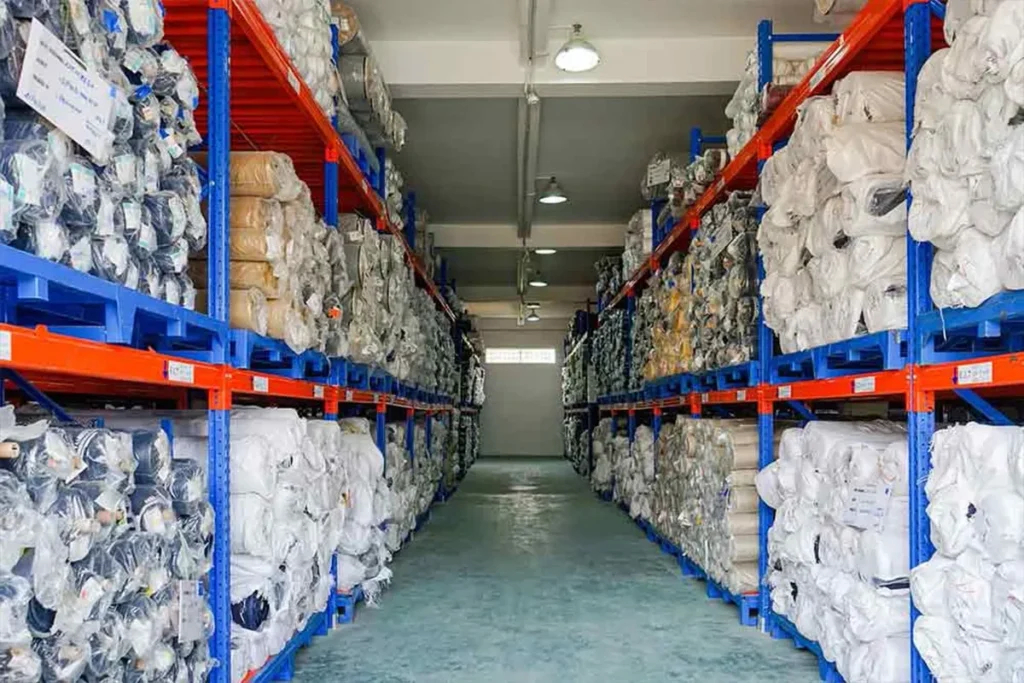
Good packaging keeps the fabric safe during transport and helps prevent damage or dirt from affecting the material.
Suppliers who handle packing and dispatch properly are usually more reliable when it comes to deliveries, so orders reach on time and in good condition.
Common Mistakes Businesses Should Avoid
Many sourcing problems happen because buyers make quick decisions without checking suppliers properly. Taking a little time to verify things in the beginning can save a lot of time and money later.
Some common mistakes businesses make include:
- Choosing suppliers only because the price is low
- Not testing fabric before placing bulk orders
- Ignoring delivery timelines
- Not writing down proper fabric specifications
- Changing requirements after production has started
Businesses that follow a proper and organized sourcing process usually face fewer issues and build better long-term relationships with suppliers.
Building Long-Term Supplier Relationships
Successful businesses usually treat knitted fabric suppliers as long-term partners instead of just one-time vendors. When the relationship stays stable, trust builds over time and the sourcing process becomes easier and more efficient.
Businesses that order regularly often get better support because the supplier already understands their fabric requirements and working style.
Clear and Detailed Communication
Giving clear and accurate fabric details helps suppliers understand exactly what you need and produce the right material. When specifications are clear, the chances of mistakes become much lower, and both sides save time and effort.
Consistent Order Planning
When businesses place orders regularly, suppliers can plan their production better. This usually results in more reliable delivery and smoother day-to-day operations.
Mutual Trust and Cooperation
Trust builds slowly over time through regular business dealings. When suppliers feel respected and valued, they are more likely to prioritize your important orders and support you when needed.
Conclusion
Choosing reliable knitted fabric suppliers takes proper planning and careful checking. Businesses that clearly understand their fabric requirements and verify suppliers properly usually get better quality and more reliable delivery.
Building strong relationships with the right suppliers helps create a stable base for long-term business growth. When you focus on quality and reliability instead of shortcuts, your supply chain becomes more dependable and easier to manage.
If you are looking for consistent quality and dependable service, Texora Global can be a reliable partner for your knitted fabric requirements. Contact us today to discuss your fabric needs and get the right solution for your business.